Mr. and Mrs. Jennings
Just MercyMr. and Mrs. Jennings are a couple whose response to Charlie’s incarceration grows from a determined wish to help into a lasting family relationship. Their practical support—correspondence, educational assistance, and a home to return to—meets him at a moment when his own family is under strain. Their story also places their generosity beside their grief over a grandson who died by suicide, giving their commitment to a troubled young person a personal history without suggesting that care can erase what he has endured.
Identity and Background
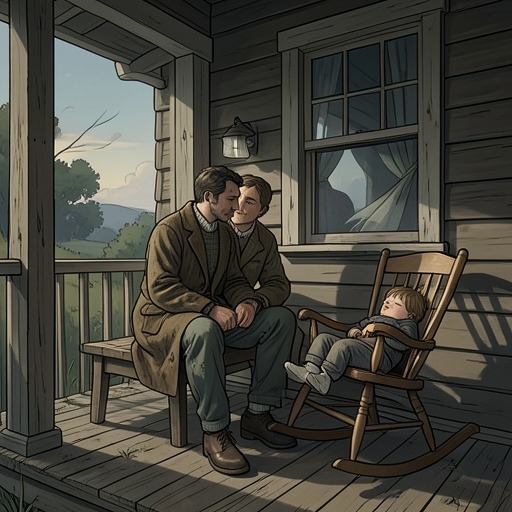
The Jenningses were white, in their mid-seventies, and lived in a small community northeast of Birmingham, Alabama. Active members of their local United Methodist church, they never missed Sunday service and were especially drawn to children in crisis. They were described as gentle in manner: they spoke softly, seemed to smile readily, and conveyed a compassion that appeared genuine rather than performative. Their affection for each other was equally visible. They often held hands or leaned toward one another, a quiet physical closeness that made their partnership part of the care they offered.
Their daily life was simple and rooted in the land. They dressed like farmers, owned ten acres, and grew vegetables. But the most consequential part of their history was a loss they had never put aside. Their only grandchild, whom they had helped raise, died by suicide as a teenager. He had struggled with mental-health problems, though the Jenningses remembered him as smart and had been saving money to send him to college. In their letter about Charlie, they explained that they wanted to put those savings toward helping him. The money had been set aside for one young person’s future; after the grandson’s death, they chose to use it to support another.
From Concern to Commitment
Months after Bryan Stevenson spoke at a church about Charlie and incarcerated children, the Jenningses approached him and insisted that they had to help. Stevenson initially tried to dissuade them from thinking they could do anything, but he gave them his card and said they could call. He did not expect them to follow up. Within days, they did, and they persisted. The arrangement began modestly: they would write Charlie a letter and send it to Stevenson, who would pass it on. Weeks later, when the letter arrived, he read it and found it remarkable.
That first exchange became an ongoing correspondence. The Jenningses and Charlie wrote to each other before meeting at the juvenile detention facility. They later told Stevenson that they “loved him instantly.” The meeting mattered especially because Charlie had been apprehensive that they would not like him. Afterward, he told Stevenson how much he felt their care and how comforting it was. The relationship did not remain a charitable gesture mediated by a lawyer: the letters led to a face-to-face meeting, and the Jenningses became Charlie’s family.
Care Through Education and Release
The Jenningses’ support took concrete forms while Charlie was detained. They helped him earn his general equivalency degree and insisted on financing his college education. Their hopes were therefore attached not only to his release but also to learning and a future beyond detention. When he was released, they were there with his mother to take him home.
Their involvement unfolded while Charlie’s existing family was grieving and struggling. His grandmother had died a few months after the Jenningses first contacted Stevenson, and his mother continued to struggle after the shooting and Charlie’s incarceration. The couple did not replace these relationships; they joined his mother in welcoming him home and offered a dependable family connection at a time of loss. Their role was sustained across distinct stages—writing, meeting, supporting his education, and receiving him after release—rather than confined to a single act of generosity.
Hope and Narrative Significance
Stevenson warned the Jenningses not to expect Charlie to carry on after release as if nothing had happened. He explained that Charlie had been through a great deal and might not be able to do everything they hoped. Mrs. Jennings did not accept that caution as a reason to lower expectations. Although she was rarely argumentative, she sometimes grunted when she disagreed. In this instance she answered, “We’ve all been through a lot, Bryan, all of us. I know that some have been through more than others. But if we don’t expect more from each other, hope better for one another, and recover from the hurt we experience, we are surely doomed.” Her words acknowledge unequal suffering while refusing to treat it as proof that recovery is impossible.
The Jenningses’ importance lies in the combination of that conviction with repeated, material acts. They put their grandson’s college savings toward Charlie, kept writing when the first offer of help might have ended with a business card, and made education part of their support. Their account also gives grief a direction: the loss of their grandson remains present, but the money saved for him becomes assistance for Charlie. The book presents their hope not as certainty about what Charlie will become, but as a willingness to remain connected, expect growth, and help make a next step possible.